


Burnout is a common challenge for speech-language pathologists across school, healthcare, and private practice settings. Large caseloads, documentation requirements, therapy planning, and administrative responsibilities can create significant pressure over time.
Full Transcript of Podcast: Preventing & Managing SLP Burnout
Episode 151 - Preventing & Managing SLP Burnout
Hey everyone, you're listening to the Speech Space Podcast. I'm your host, Jessica Cassity, and this is episode 151. If you're a speech-language pathologist working in schools, healthcare, or private practice, there's a good chance that you felt it at some point.
That heavy feeling of being stretched too thin, of juggling paperwork and therapy planning, meetings, compliance requirements, your own personal and family life, and still trying to show up fully for your students and patients. Today, we're going to be talking about something incredibly important, and that is SLP burnout. We're going to talk about how to prevent it, how to recognize it, and how to manage it if you're already feeling it.
Before we get started, I wanted to mention that this podcast is brought to you by The Digital SLP, which features time-saving, interactive, digital resources that are all teletherapy platform-friendly. You can learn more or sign up for a free 30-day trial by heading on over to thedigitalslp.com forward slash digital SLP. The first thing that I'd like to say is that if you are experiencing burnout right now, I want you to know that you most certainly are not alone.
Many SLPs experience this at some point in their careers, even very early on. In fact, ASHA has reported that workload demands, documentation requirements, and staffing shortages are some of the biggest contributors to stress and burnout among speech-language pathologists. So today, we'll talk about why burnout happens in our field, signs that you might be experiencing it, which I'm sure you probably already know or have at least a very good hunch if you are experiencing it, some practical strategies to prevent burnout, and some small changes that can make your day-to-day workload much more sustainable.
So firstly, let's just talk about what burnout actually is. Psychologists often describe burnout as a combination of three things. The first thing is emotional exhaustion.
The second thing is depersonalization, which is feeling detached from your work or the people that you serve. And the third thing is reduced sense of accomplishment. This framework comes from research on the Maslach burnout inventory, which is widely used to study burnout in helping professions.
And if you think about it, SLPs are especially vulnerable. We work in a role that constantly requires our emotional presence. It requires high levels of problem solving, individualized planning for each student or patient, oftentimes very large caseloads, and extensive documentation.
Many SLPs also feel pressure to advocate constantly for services, for time, for resources. And then over time, that combination can lead to burnout if we don't have systems that support sustainability. So what are some signs of burnout? Usually it's something that does not appear overnight.
It tends to, you know, kind of over time build up gradually. And some common warning signs include things like feeling constantly exhausted. So not just being tired after a long day, but mentally drained in a way that does not improve after rest.
It might also look like dreading your therapy sessions. So when something that you used to enjoy feels like a chore, this can be a sign. And I think there's also a lot of guilt with that.
You know, no one really wants to admit that they're dreading a therapy session. You know, it's not something to be ashamed of. It's something to recognize as a sign.
Also, spending hours planning and documenting and feeling like you're still falling behind can also be a sign that you are deep in burnout. Feeling ineffective, even though you're working extremely hard, can also be a sign. Just kind of like you're spinning your wheels all the time.
And sometimes burnout also shows up as irritability or emotional numbness, which can be especially hard when you care deeply about the people that you're serving. So if any of those resonate with you, it does not mean that you're doing something wrong. Often it simply just means that the workload expectations aren't sustainable without better support systems.
So now let's move on to talking about some prevention strategies. The first strategy I want to talk about is reducing your cognitive load. One of the biggest drivers of burnout is decision fatigue.
SLPs make hundreds of small decisions every day, and it could be things like, what activity should I use? How do I target this goal? How do I adapt it for multiple students? How do I keep everyone engaged? And it goes on and on and on. And if every session starts from scratch, that cognitive load adds up very quickly. This is why many experienced clinicians build systems for therapy planning instead of reinventing activities daily.
Those might include things like rotating core therapy activities, reusing adaptable materials, or using digital resources that you can pull up very quickly. Reducing planning time does not mean that we're lowering the quality of our therapy sessions. I think it's very important to be clear about that.
In many cases, it actually allows clinicians to focus more energy on the interaction and the therapeutic relationship when we have these systems in place, which is where the real progress happens. The next strategy is to protect your energy. Another important piece of burnout prevention is recognizing that your energy is a resource.
SLPs often give a tremendous amount emotionally during our sessions, but if we don't protect time for recovery, the system becomes unsustainable. Some small but powerful practices include things like scheduling short mental reset breaks between sessions, setting boundaries around after-hours documentation, using templates for frequently written reports, grouping similar goals in therapy sessions. These are just some small adjustments that can significantly reduce the feeling of constantly being on.
Prevention strategy number three is to use tools that reduce prep time. One of the most common sources of burnout among school-based SLPs is simply therapy preparation time. Planning materials for dozens of goals across multiple age groups can easily take hours each week, and that's actually one of the reasons that Digital SLP was created.
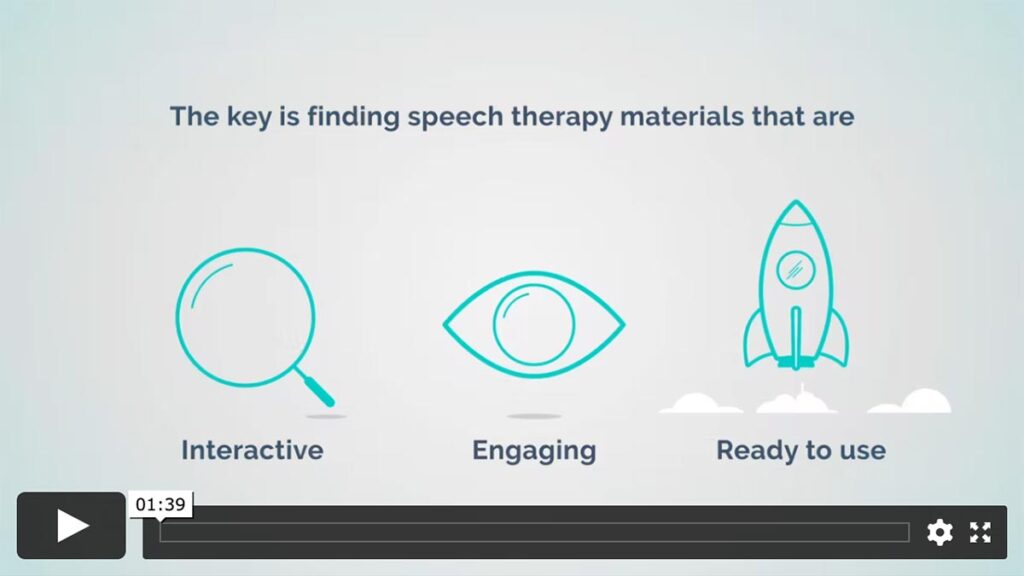
If you're not familiar, Digital SLP is an online library of thousands of interactive speech therapy materials that are designed specifically for school-based and teletherapy clinicians. Instead of spending hours creating activities, SLPs can quickly find materials that target a variety of goals. Many clinicians report that having ready-to-use digital therapy activities significantly reduces their prep time while still keeping their sessions very engaging.
So if you're feeling overwhelmed by therapy prep, feel free to check it out by heading on over to the digitalslp.com forward slash digital SLP. You can explore the entire resource library for free for 30 days, and then from there you can discover if it's helpful for your workflow or not. There are other options out there of course as well, and I'm just talking about this one because it is the one that I am the most comfortable and familiar with.
Now let's talk about managing burnout if you're already feeling it, because we can't do much in the way of prevention if we're already feeling burnt out. But if you're already experiencing burnout, prevention strategies might not feel like enough to you. And in those situations, the goal really becomes recovery and recalibration.
So some helpful steps include things like identifying the biggest stressor that you're and asking yourself, you know, is it documentation? Is it caseload size? Is it planning time? Is it administrative expectations? Pinpointing the biggest driver can help you focus on the most impactful change and help you recognize where shifts need to be made. Okay, so after you've identified the biggest stressor, the next step I would suggest is to simplify wherever possible. Now that might mean rotating a smaller set of therapy activities.
That might mean batching your paperwork tasks, or it could mean using digital or reusable resources. Remember, effective therapy does not require constant novelty. Consistency often benefits students more than constant new materials or ideas.
And I'm not saying to do the same thing forever, but you want to tap into themes and seasons and, you know, really have tried and true resources. So when you get a new client or a new student on your caseload, you're not spinning your wheels trying to figure out which materials you need to address those goals. Now, the next step I would suggest is reconnecting with your why.
Burnout often creates emotional distance from the meaningful parts of our work, and sometimes intentionally noticing small successes can help rebuild that connection. A student producing a sound for the first time, a child understanding a concept that they once struggled with, or maybe even just a moment of laughter or silliness during your therapy session that day. Those moments matter, and whenever we can focus on those things, it can help reconnect us to the work that we're doing.
Burnout is not just an individual issue. It's a systems issue. And organizations like ASHA continue advocating for improved workload models, better staffing ratios, and increased recognition of the complexity of the SLP's role.
But while those larger conversations evolve, many clinicians are finding ways to create more sustainable workflows in their own daily practice. Small changes like reducing prep time, building reusable systems, and protecting energy can make a significant difference. So if you're an SLP listening to this and feeling overwhelmed, please remember this.
Burnout does not mean that you are bad at your job. It often means that you just care very deeply and you've been carrying too much for too long. Speech-language pathology is an incredibly meaningful profession, but it also requires support, efficient systems, and realistic expectations.
And sometimes even small changes like simplifying therapy planning or using tools that reduce prep time can help restore our balance. Thank you so much for spending part of your day with me. If you'd like to explore ways to make therapy planning earlier, don't forget to head on over to check out the digital SLP over at digitalslp.com forward slash digital SLP.
If you found this episode to be helpful in any way, feel free to share it with another SLP who might need a little encouragement today. And as always, thank you for the important work that you do, supporting communication and helping others find their voice.









Recent Comments